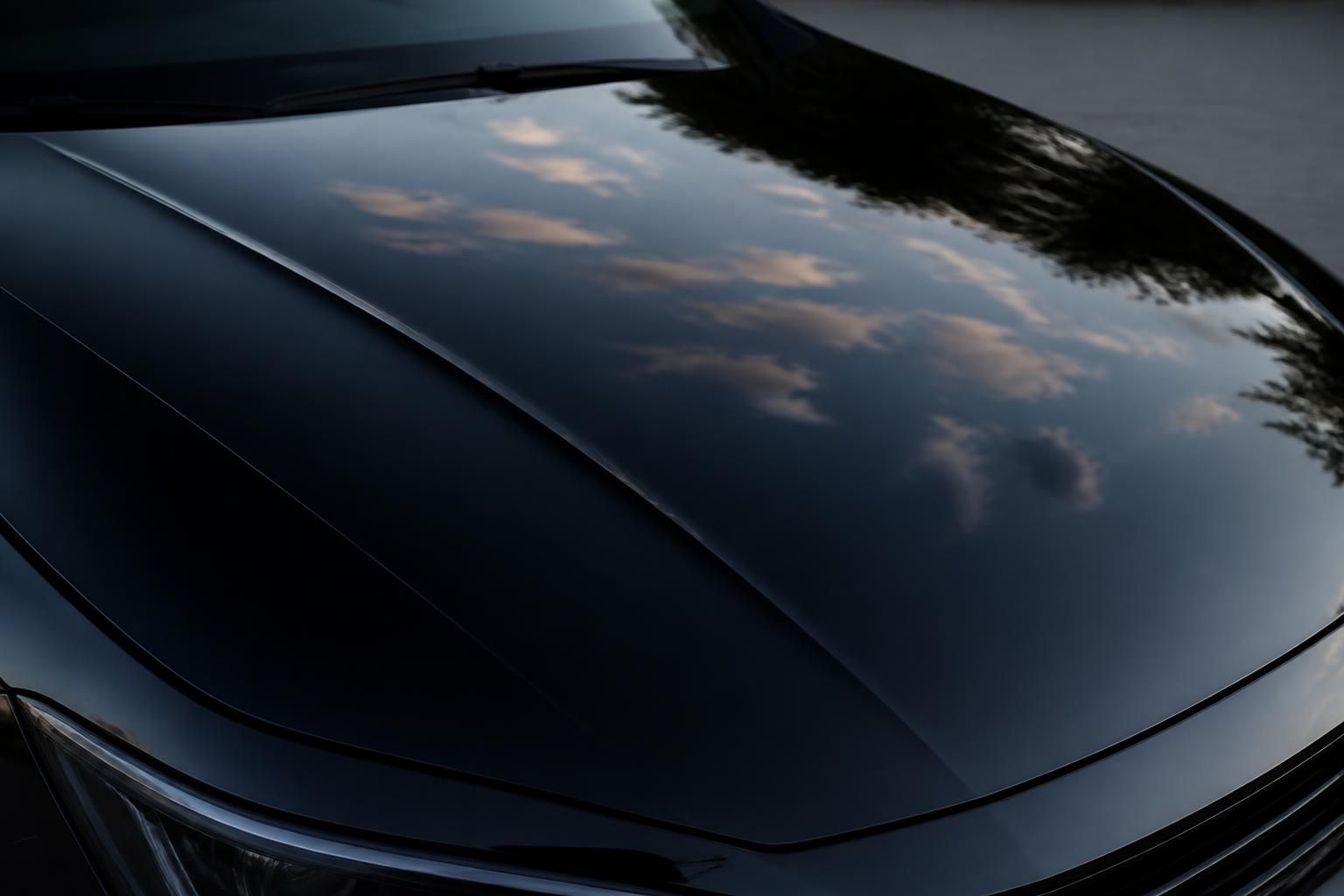
Paint Correction
Paint correction that removes swirls, haze, and light scratches to bring back gloss on Bonney Lake vehicles.
Paint correction that removes swirls, haze, and light scratches to bring back gloss on Bonney Lake vehicles.
Paint correction from Destination Detailing and Ceramic Coatings in Bonney Lake, WA is for drivers whose paint looks dull, hazy, or covered in fine swirl marks, even after a wash. It levels out light scratches and surface damage so the finish reflects clearly again. To get started, call or send a request with a few details about your vehicle and what bothers you most.
You may have noticed it in direct sun: circular scratches across the hood, a cloudy look on a dark color, or water spots that no longer wipe away. Washing and waxing do not fix those, because the damage is in the clear coat itself. We can look at the paint, explain what can realistically be improved, and recommend the right amount of correction.
Most paint wear builds up slowly, so owners stop noticing it. These are the symptoms we hear about most:
Paint correction is a careful, hands-on process of removing a very thin amount of clear coat to level the surface. When the scratches are flattened rather than filled, the gloss comes from the paint itself.
These are the most common reasons people book. Fine marks usually respond well, and the difference in clarity is easy to see once the panel is finished.
Faded or spotted paint often brightens a lot, though deeper etching may only soften. A deep scratch that cuts through the clear coat is a different story. We will tell you what is likely to improve before any work begins.
These are often confused, and they do different jobs. Correction repairs the surface. Wax and ceramic coating protect it.
If you are thinking about a coating, correcting the paint first means you are not sealing in swirls and dullness. We can quote both together or only the correction.
Paint correction takes more time than a standard detail, and the steps are fairly consistent from one provider to the next.
Here are some practical standards to use when judging any provider's correction work:
Around Bonney Lake and the surrounding area, cars typically deal with long, wet, gray stretches, road grime, and tree debris. Sap and needles can stay on paint for a while. Dry summer sun can then bake in whatever was left behind. Frequent washing, especially with dirty mitts or at automatic washes, is one of the most common sources of swirl marks on daily drivers.
We work with vehicles from Bonney Lake, Sumner, Buckley, Enumclaw, Puyallup, Auburn, Kent, Federal Way, and Tacoma. Call or send a request and we can talk through your car, the condition of the paint, and where the work makes sense.
Paint correction is priced by the work involved, not a flat rate for every vehicle. The main factors are:
A clear written quote should spell out which panels are included, how much correction is planned, any extras, and how changes are handled if the paint reveals something unexpected.
Before you hand over your keys to any detailer in the area, ask:
It depends on the size of the vehicle, the paint condition, and how much correction you want. It usually takes longer than a regular detail, and we can give you a clearer idea after hearing about the car.
Not always. Swirls and light scratches usually improve a great deal. Deeper scratches may be reduced but not fully removed, and we will say so up front.
Correction removes clear coat, so it should not be done routinely. Most cars need it only when visible damage builds up. Gentle washing afterward helps the result last.
It comes down to vehicle size, paint condition, how much correction you want, and any extras. Describe the car and your concerns and we will put the scope in writing.
Many owners do, because it protects the freshly corrected finish. It is a separate service from correction, so you can choose one or both.
Yes. Older paint often benefits the most from correction. Call or send a request and tell us how the vehicle is used and what you would like to improve.
Show your vehicle some love. Tell us what you drive and choose mobile or in-shop detailing. We'll help you find the right service.