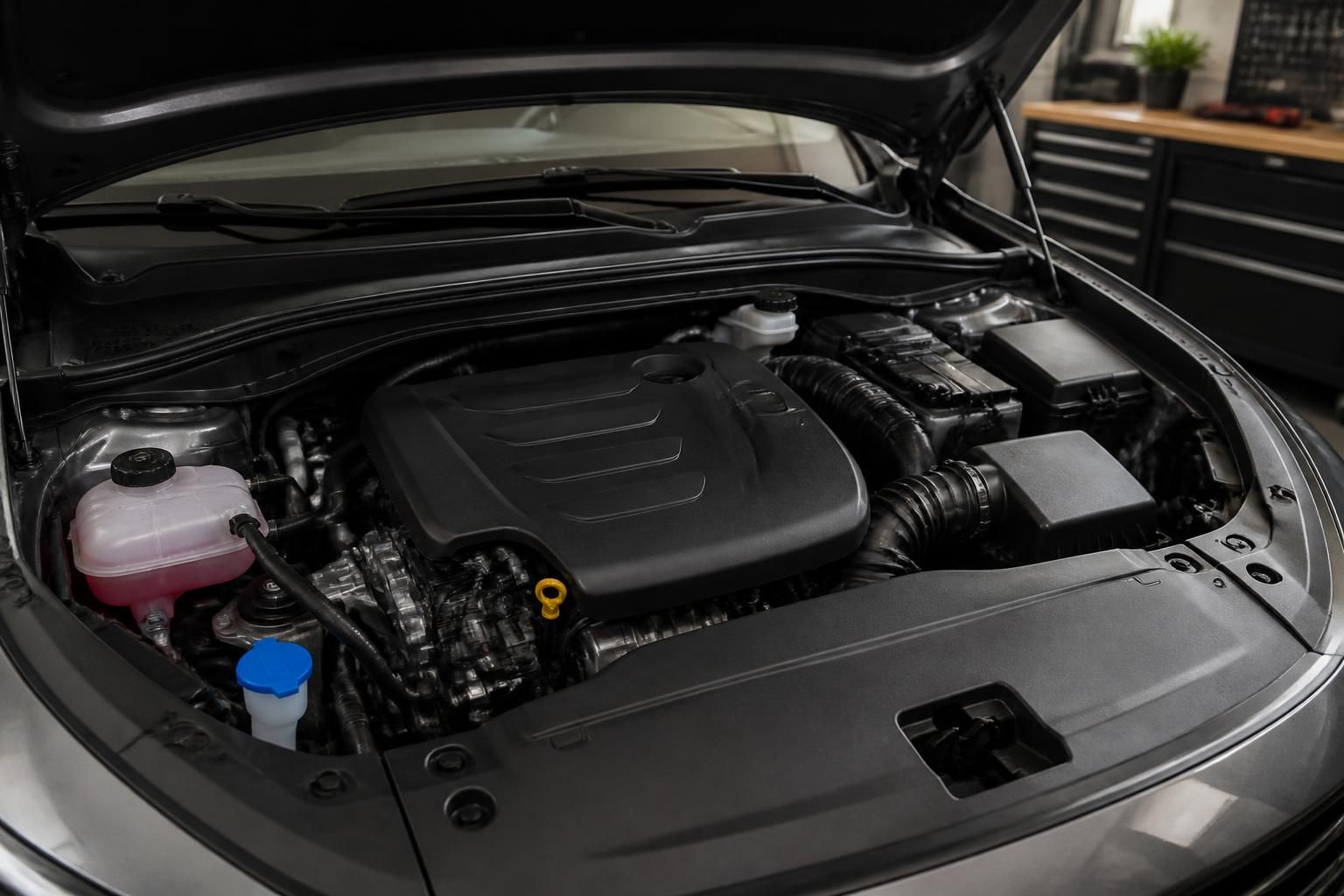
Engine Bay Cleaning
Engine bay cleaning for Bonney Lake drivers who want grime, leaf debris, and oil film removed safely.
Engine bay cleaning for Bonney Lake drivers who want grime, leaf debris, and oil film removed safely.
Engine bay cleaning from Destination Detailing and Ceramic Coatings covers degreasing, debris removal, and a clean finish on the plastics, hoses, and painted surfaces under your hood. It is for Bonney Lake, WA drivers whose engine compartment is caked with road film, leaves, or oily residue and who want it cleaned without soaking the wrong parts. To get started, call or send a request, tell us about your vehicle, and we will work out the scope with you.
Maybe you popped the hood to check your oil and found a layer of dust and grease over everything. Maybe leaves and pine needles have piled up near the windshield cowl, or you are getting ready to sell and the engine bay looks tired next to a clean exterior. A dirty engine bay also makes it harder to spot a fresh leak, so a cleanup is a practical step as well as a cosmetic one.
Most drivers do not look under the hood until something prompts them. These are the common triggers:
An engine bay is a mix of metal, rubber, plastic, wiring, and painted panels, and each surface needs different handling. A typical engine bay cleaning covers:
Every shop has its own routine, but a careful engine bay cleaning generally follows this order:
We can handle this at a home, an office, or a street location through our mobile service, or at our shop, depending on what suits your schedule and your vehicle.
Some customers expect a cleaned engine bay to fix a leak, a rough idle, or a warning light. It will not. Cleaning removes dirt and residue. It does not replace gaskets, tighten hoses, or diagnose a mechanical fault. If cleaning reveals a leak or a worn part, the next step is a trip to a mechanic, which is a separate service from this one. This page covers the cleaning and finishing only. If you are unsure which one you need, ask us and we will explain what a cleaning can and cannot do for your vehicle.
Western Washington drivers deal with long wet stretches, and most vehicles here pick up a steady mix of road spray, mud, and organic debris. Tree cover around Bonney Lake and nearby Sumner, Buckley, and Enumclaw means needles and leaves tend to collect near the cowl and drain areas. Winter road treatments can also leave a film that clings to metal and plastic under the hood. Damp debris that sits for weeks holds moisture against the surface, so a cleanup before or after the wettest months makes sense for many drivers.
Whoever you hire, these are reasonable standards for judging the work:
Engine bay cleaning is priced by the work involved, not by a flat assumption. The main factors are:
A clear written quote should spell out what is included, which parts of the bay are being cleaned, and any extras. It should also say how changes are handled if the bay turns out dirtier than expected or you add a service on the day. Call or send a request with your vehicle details and a few photos of the engine bay if you can, and we will go over the scope with you.
Before you book engine bay cleaning with any provider in the Bonney Lake area, ask:
It depends on how you drive and where you park. Many drivers do it once a year, or before selling a vehicle. If you drive on dusty or muddy roads, or park under trees, you may want it more often.
It can be when it is done with care. The risk comes from soaking connectors, forcing water into the wrong places, or using harsh products on rubber and plastic. Ask any provider how they approach it.
That depends on how much buildup there is and how complicated the bay is. A lightly dusty engine goes faster than one with years of oil film. We can give you a better idea once we know your vehicle and its condition.
We offer at-home, mobile, and in-shop service for detailing. Tell us where the vehicle will be and we will talk through the best option for you.
It comes down to the vehicle, the amount of buildup, how much of the bay needs attention, any extra finishing, and whether other services are added. A written quote should lay these out so you know what is covered.
Yes, many customers add it to an exterior or interior detail, or to paint correction or ceramic coating work. Mention what else you have in mind when you call or send a request.
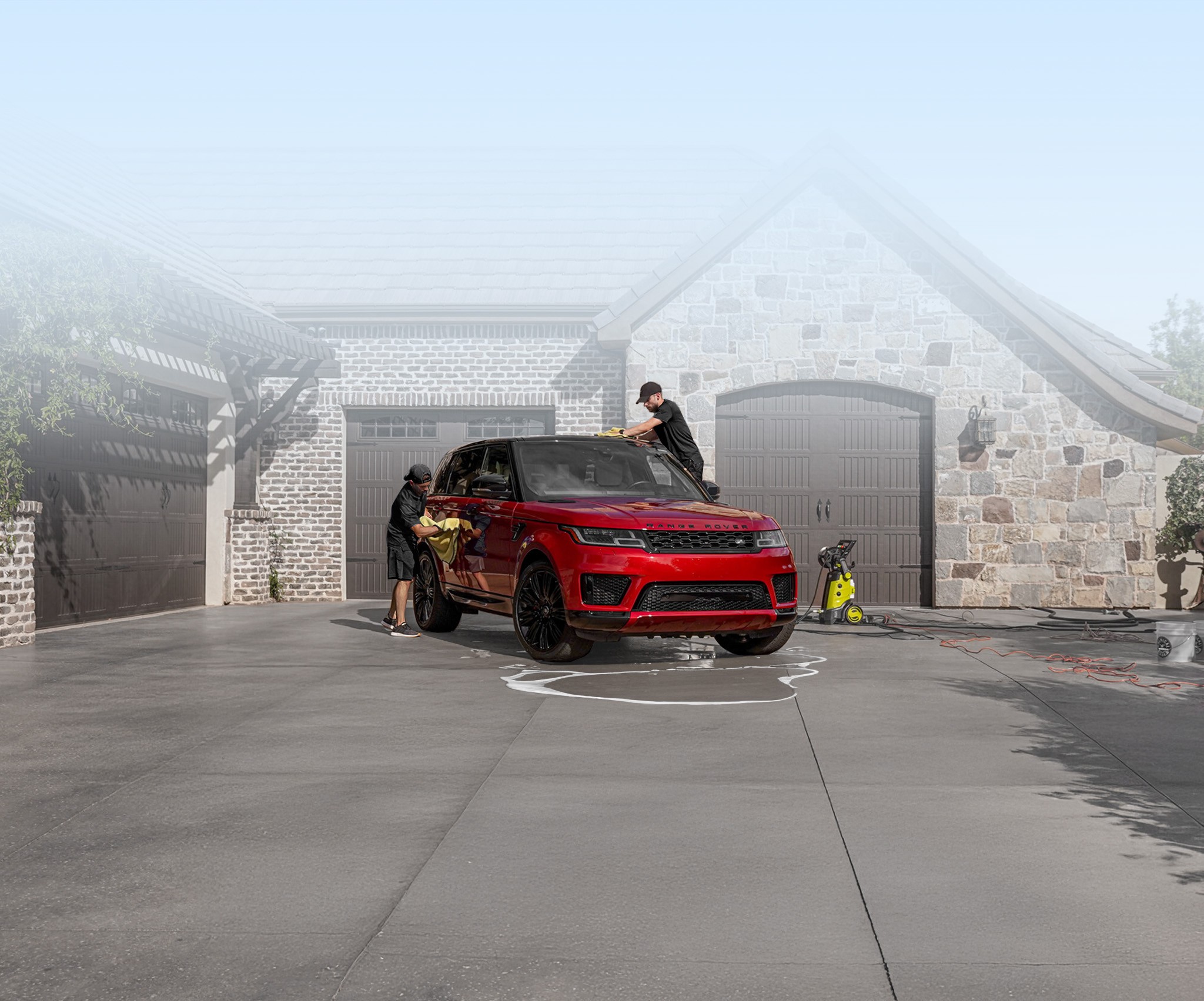
Show your vehicle some love. Tell us what you drive and choose mobile or in-shop detailing. We'll help you find the right service.